
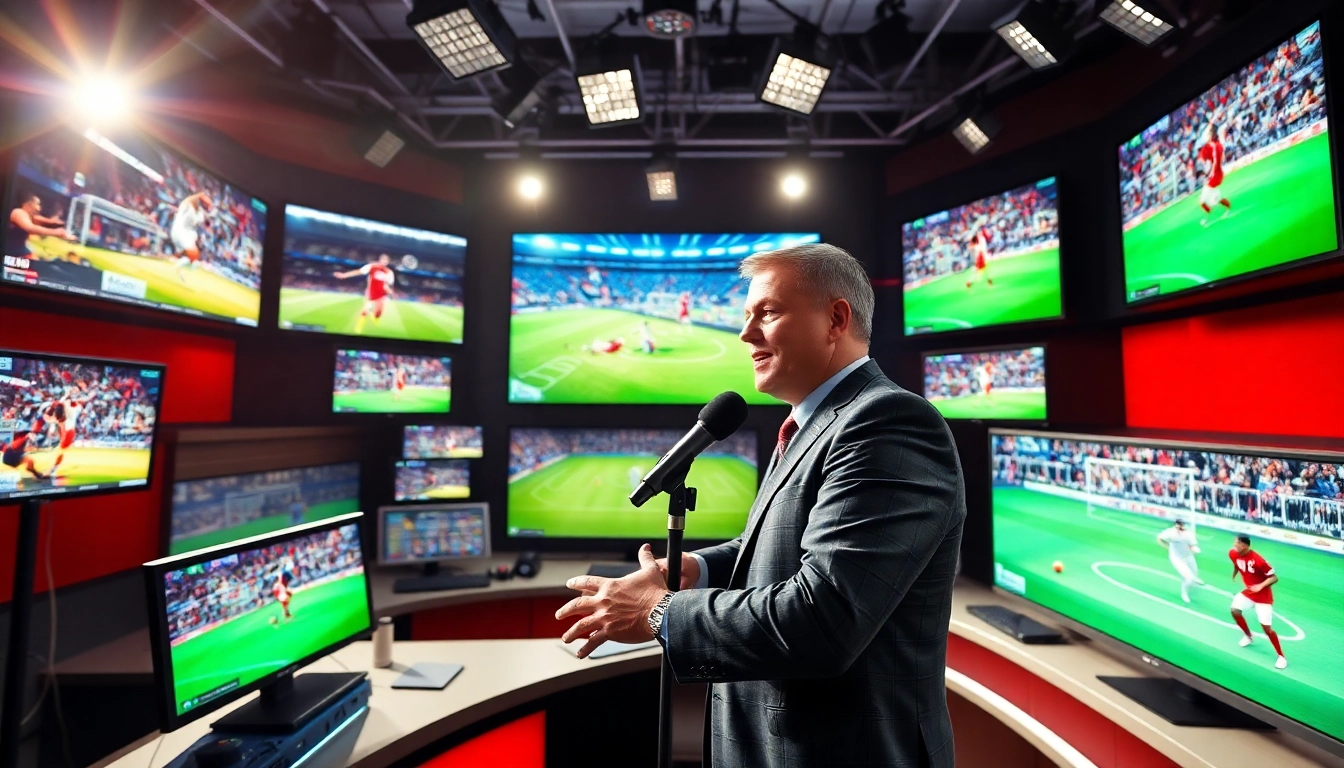
Understanding the Landscape of Sports Broadcasting
The evolution of Sports Broadcasting is a captivating journey that encompasses technological advancements, cultural shifts, and evolving audience expectations. This complex industry not only shapes how fans experience sports but also creates significant economic and social impacts. Delving into the landscape of sports broadcasting reveals an array of historical milestones, contemporary challenges, and future innovations that together define the present and future of this dynamic field.
The Evolution of Sports Broadcasting
Sports broadcasting has grown from experimental radio broadcasts in the early 20th century to the high-definition, multi-platform experiences that dominate viewership today. The launch of television in the 1950s marked a pivotal moment, allowing fans to watch their favorite games from the comfort of their homes. Major events such as the Super Bowl and the Olympics became television spectacles, drawing audiences that often rivaled the populations of entire countries.
Over the decades, significant technological advancements have continually reshaped the broadcasting landscape. The introduction of cable television in the 1980s expanded sports coverage, while the advent of satellite broadcasting further enhanced accessibility. By the early 2000s, internet streaming technology began to emerge, allowing for even greater diversity in viewing options. Each of these developments has made sports programming more rich, accessible, and varied, providing fans with numerous ways to engage with and experience their favorite sports.
Key Players in the Sports Broadcasting Industry
The sports broadcasting industry is composed of various players, including traditional television networks, cable channels, and more recently, streaming platforms. These entities vary in their approach and content offerings. Major television networks have historically dominated sports broadcasting with extensive programming. However, the rise of specialized sports networks has created niche markets, catering to dedicated fan bases.
In today’s landscape, streaming services like those providing on-demand and live content are rapidly gaining traction. These platforms offer flexibility and personalization, a feature that has become increasingly popular among younger viewers. Moreover, social media networks have also ventured into the broadcasting sphere, live-streaming events or highlights, adding an entirely new dimension to audience engagement.
In addition, partnerships between leagues and broadcasters are transformed, with leagues seeking to maximize revenues through innovative broadcasting rights deals that leverage the most lucrative platforms.
The Impact of Technology on Sports Broadcasting
Technology is at the heart of sports broadcasting, continually driving advancements that enhance the viewer experience. Innovations such as HD and 4K video quality, augmented reality, and virtual enhancements have elevated the standard of broadcasts dramatically. Fans now experience real-time statistics overlays and multiple camera angles that expand their engagement with the game.
Moreover, remote broadcasting technology enables coverage from virtually any location, making it easier for networks to broadcast games from diverse regions. This democratization of broadcasting opens up opportunities for smaller leagues and sports to gain more visibility, thereby encouraging inclusivity in sports coverage.
Best Practices for Effective Sports Broadcasting
Engaging Storytelling Techniques
At the heart of successful sports broadcasting is effective storytelling. Broadcasters must craft narratives that resonate emotionally with viewers, transcending mere game highlights. This includes profiling athletes, exploring backstories that showcase human struggles and triumphs, and creating context around pivotal moments throughout games. By employing storytelling techniques, broadcasters can heighten viewer investment and create experiences that linger long after the final whistle.
Engaging interviews that provide insights from athletes, coaches, and fans further enrich the storylines, allowing audiences to connect on a personal level. Well-curated content and compelling narratives can significantly boost viewer loyalty and enhance overall engagement.
Audio-Visual Quality in Sports Broadcasting
High-quality audio-visual components are paramount in delivering a captivating viewing experience. Sophisticated audio engineering allows for immersive soundscapes that simulate the feeling of being at the event, while stunning visuals help showcase the excitement of the sport. Technologies like drone cameras and 360-degree views offer fresh perspectives that enthrall audiences.
Consistent testing and optimization of broadcast quality are vital, ensuring that technical difficulties do not detract from fan enjoyment. Prioritizing audio-visual fidelity contributes to an immersive environment that enhances viewer satisfaction and retention.
Understanding Viewer Preferences and Behavior
Knowledge of viewer preferences and behavior is essential for successful sports broadcasting. Broadcasters need to monitor viewership data regularly to understand patterns and make informed programming choices. Different demographics engage with content in distinct manners; for instance, younger audiences may prefer quick highlights distributed on social media, while traditional viewers may favor long-form commentary and analysis.
Utilizing surveys and direct audience feedback can also provide critical insights into viewer expectations, leading to more tailored programming that satisfies diverse preferences. Incorporating interactive features, such as viewer polls during broadcasts, can help broadcast teams to directly engage the audience while collecting valuable data.
Analyzing Audience Engagement Metrics
Key Performance Indicators in Sports Broadcasting
Effective analysis of audience engagement metrics is crucial in measuring the performance of sports broadcasting efforts. Several key performance indicators (KPIs) must be considered, including viewership numbers, ratings, audience retention rates, and social media interactions. High viewership alone does not guarantee success; analyzing retention rates helps broadcasters understand how compelling their content is and where potential drop-offs may occur.
Moreover, combining traditional metrics with digital engagement statistics allows for a persuasive narrative about audience connection with content, providing a more comprehensive view of success in broadcasting.
Tools for Measuring Viewer Engagement
A plethora of tools exists for measuring viewer engagement, from analytics platforms that track social media interactions to software that offers insights on audience behavior during live broadcasts. Comprehensive analytics platforms can analyze audience demographics, engagement rates, and even viewer sentiment, enabling broadcasters to refine their strategies continually.
Incorporating advanced analytics and A/B testing can significantly improve audience engagement and retention. Tools that facilitate real-time monitoring can also assist broadcasters in making spontaneous content decisions that resonate better with viewers, improving overall effectiveness.
Using Data to Enhance Broadcasting Strategies
Integrating data into broadcasting strategies is paramount for success. Analyzing viewer data allows broadcasters to make informed decisions on programming, content creation, and marketing efforts. Data-driven approaches can lead to better-targeted advertising, improved viewer personalization, and ultimately, enhanced viewer satisfaction.
Utilizing insights gained from previous broadcasts enables broadcasters to optimize content offerings and refine storytelling techniques, effectively keeping audiences engaged. Leveraging viewer feedback collected through interactive platforms can also foster a sense of community and investment in the broadcast.
Innovations Shaping the Future of Sports Broadcasting
Virtual Reality and Augmented Reality in Broadcasting
The emergence of virtual reality (VR) and augmented reality (AR) technologies is revolutionizing how fans experience sports. These immersive technologies provide fans with unparalleled opportunities to feel ‘present’ at the game or event, even from their homes. VR experiences can allow fans to virtually step onto the field or explore immersive environments during games, while AR can enhance broadcasts with interactive statistics and 3D visuals that add layers of information to the viewing experience.
These innovations not only captivate viewers but also provide new revenue streams through enhanced experiences, such as virtual season tickets or interactive merchandise ads.
The Rise of Streaming Platforms in Sports Broadcasting
Streaming platforms have become a formidable force in sports broadcasting, disrupting traditional broadcasting models. With the flexibility to access content on-demand and across devices, audiences are increasingly favoring these services over conventional cable packages. This shift has encouraged sports leagues to explore direct-to-consumer models, allowing fans to subscribe for specific sports or events, facilitating more tailored content delivery.
A growing number of platforms are partnering with sports leagues to deliver enhanced streaming experiences, including pre-game shows, highlights, and in-depth analyses, all of which contribute to an enriched viewing experience.
Interactive Broadcasting Experiences
As audience expectations continue to evolve, interactive broadcasting experiences are becoming prevalent. This facet of sports broadcasting allows audiences to engage directly with broadcasts, facilitating real-time interactions through live chats, audience polls, and social media integration. Such features not only create a layer of engagement but also foster community among viewers.
By creating avenues for interaction, broadcasters can enhance viewer connection to the live experience, making broadcasts more entertaining and participatory. These interactive elements will become increasingly crucial in a landscape where fan engagement significantly influences the success of sporting events.
FAQs About Sports Broadcasting
What is Sports Broadcasting?
Sports broadcasting is the transmission of live sports events using electronic media, such as radio, television, or online streaming platforms, allowing fans to follow their favorite sports and teams from various locations.
How has technology impacted Sports Broadcasting?
Technology has dramatically enhanced sports broadcasting by improving audio-visual quality, enabling interactive features, and opening new distribution channels like streaming, thereby increasing accessibility and engagement.
What are key metrics to measure in Sports Broadcasting?
Key metrics include viewership numbers, ratings, audience retention rates, social media interactions, and demographic information, which collectively assess the success of broadcasts and guide future strategies.
Why is storytelling important in Sports Broadcasting?
Storytelling enriches the viewer’s emotional connection to events and players, transforming sports into compelling narratives that enhance the overall viewing experience and foster audience loyalty.
What innovations are currently shaping Sports Broadcasting?
Current innovations include virtual reality and augmented reality experiences, the rise of streaming platforms, and the integration of interactive features that foster viewer engagement and personalization.