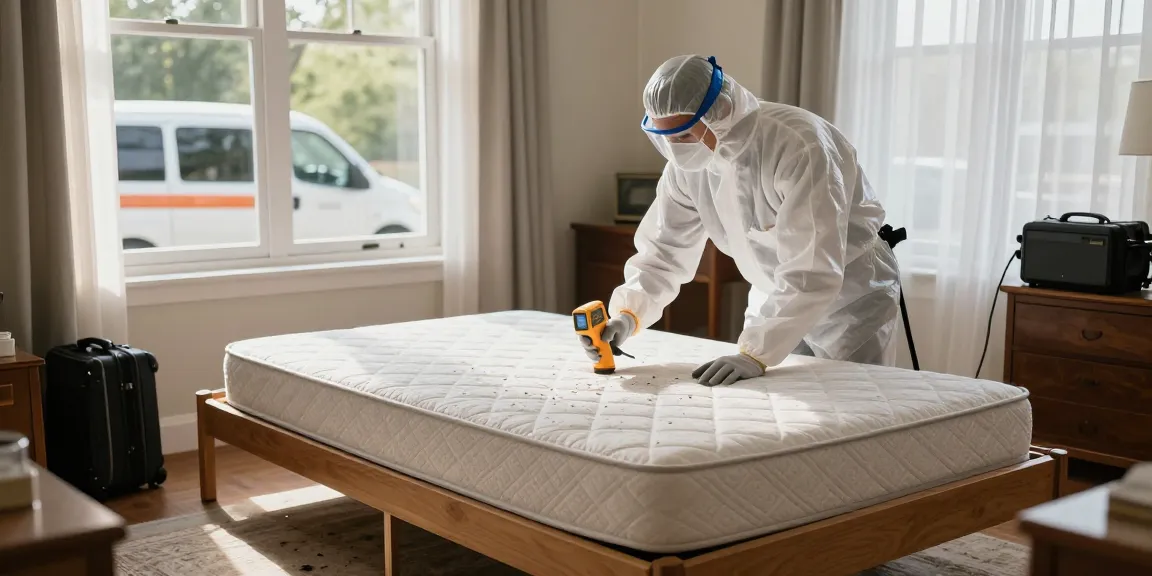
Understanding Bed Bug Heat Treatment
Bed bug infestations have become a widespread concern in homes and businesses alike, prompting the need for effective extermination methods. One of the most effective solutions is bed bug heat treatment, which harnesses high temperatures to eliminate these pests. This article explores the ins and outs of heat treatment, detailing its benefits, preparation steps, alternative options, and long-term care strategies for a pest-free environment.
What is Bed Bug Heat Treatment?
Bed bug heat treatment is a pest control method that involves raising the temperature of an infested area to a level lethal to bed bugs. Typically, the temperature must be elevated to between 120°F and 140°F (49°C to 60°C) for a sustained period to effectively exterminate bed bugs at all life stages, including their eggs. This non-chemical approach is particularly beneficial for those seeking environmentally friendly solutions that do not involve pesticide exposure.
How Heat Treatment Works Against Bed Bugs
The process of heat treatment works by distributing heat evenly throughout the affected area. Special equipment, such as industrial heaters and fans, are used to increase the temperature systematically. Bed bugs begin to die at temperatures around 113°F (45°C), but maintaining a range of 120°F to 140°F ensures effective extermination. The heat penetrates furnishings, walls, and cracks where these pests may be hiding, making it a comprehensive solution to bed bug infestations.
Benefits of Heat Treatment for Bed Bug Extermination
- Effective Against All Life Stages: Heat treatment can eliminate bed bugs in all forms, including eggs, which are often resistant to chemical treatments.
- Non-Toxic Solution: Unlike chemical pesticides, heat treatment leaves no harmful residue, making it a safer option for homes with children and pets.
- Speed of Treatment: Heat treatments can often be completed in a single day, offering a quick path to a pest-free environment.
- Environmental Benefits: This method is eco-friendly, reducing the need for harsh chemicals that can adversely affect human health and the environment.
Preparing for Heat Treatment
Steps to Prepare Your Home for Treatment
Preparing your home for heat treatment is crucial to maximizing its effectiveness. Here are the essential steps to follow:
- Declutter: Remove personal items from the treatment area to ensure that the heat can effectively penetrate and treat all surfaces.
- Temperature Adjustment: Increase the thermostat in your home to ensure the heating equipment can efficiently raise the ambient temperature.
- Identify Infestation Areas: Work with your exterminator to pinpoint hot spots where bed bugs are likely to be hiding.
- Remove Heat-Sensitive Items: Take out items that cannot withstand high temperatures, such as plants, candles, and certain electronics.
Common Mistakes to Avoid
Many homeowners make mistakes when preparing for heat treatment, which can hinder the process. Avoid the following:
- Neglecting to Inform the Exterminator: Failing to communicate areas of high infestation can lead to incomplete treatment.
- Leaving Items Behind: Not removing clutter or personal items can prevent heat from reaching all targeted areas.
- Underestimating the Importance of Preparation: Skipping pre-treatment steps can compromise the treatment’s success.
What to Expect During the Treatment Process
During the heat treatment process, you can expect a few key steps. First, the exterminator will set up the heating equipment in your home. This may involve placing heaters in strategic locations to ensure even distribution of heat. Once the temperature is reached, the exterminators will monitor the area closely for several hours to ensure the heat remains within the effective range. After treatment, you may need to wait several hours before returning to the treated areas.
Alternative Treatment Options
Comparison with Chemical Treatments
While heat treatment is a powerful method for eradicating bed bugs, it’s important to consider other treatment options. Chemical treatments often involve pesticides that can provide residual effects for several weeks or months. However, they may not be as effective on all life stages of bed bugs, particularly eggs. In contrast, heat treatment eliminates bed bugs entirely in a single session, making it a favorable choice for those looking for immediate results.
Integrated Pest Management Strategies
Integrated Pest Management (IPM) takes a holistic approach to pest control, combining various methods for the best results. This may include:
- Regular Inspections: Check for signs of bed bugs frequently to catch infestations early.
- Preventative Measures: Use encasements on mattresses and box springs to deter bed bugs from establishing a presence.
- Education: Stay informed about bed bug behavior and signs of infestation to minimize risks.
Pros and Cons of Other Extermination Methods
While heat treatment provides numerous benefits, other methods have their pros and cons:
- Chemical Treatments: Pros include long-lasting protection; cons involve potential health risks and resistance issues.
- Diatomaceous Earth: Pros include being non-toxic and an excellent preventative measure; cons are its slow effectiveness and the need for thorough application.
- Steam Treatment: Pros include the ability to treat furniture and cracks directly; cons involve longer treatment times and equipment limitations.
Post-Treatment Care and Monitoring
Signs of Successful Bed Bug Elimination
Following a heat treatment, it’s essential to monitor for signs of successful eradication. Key indicators include:
- No New Bites: An absence of bites on your skin is a positive sign.
- Dead Bugs: Finding dead bed bugs or cast shells around your home indicates effective extermination.
- Decrease in Sightings: A significant reduction in sightings over several weeks supports treatment success.
How to Maintain a Bed Bug-Free Environment
Maintaining a bed bug-free home requires continued vigilance. Here are some strategies:
- Regular Cleaning: Vacuum frequently and wash bedding in hot water to remove any remaining bed bugs or eggs.
- Utilize Encasements: Consider using bed bug-proof encasements on mattresses and pillows to prevent any future infestations.
- Inspect Second-Hand Items: Be cautious with used furniture or bedding; always inspect them thoroughly before bringing them into your home.
Common Myths About Bed Bugs and Treatments
There are many myths surrounding bed bugs that can hinder effective management. Here are a few to clarify:
- Myth: Bed bugs are only found in dirty homes. Truth: Bed bugs can invade any home, regardless of cleanliness.
- Myth: You can eliminate bed bugs with home remedies alone. Truth: While some methods may help, professional treatment is typically necessary for complete eradication.
- Myth: Bed bugs are only a problem in beds. Truth: Bed bugs can hide in numerous locations, including furniture, luggage, and clothing.
Future Trends in Bed Bug Extermination
Innovations in Heat Treatment Technology
As the pest control industry evolves, so too does the technology behind heat treatment. Emerging advancements may include more efficient heating equipment and better monitoring tools to ensure effective temperature distribution. Additionally, innovations in remote monitoring technology may allow pest control professionals to track temperature levels and treatment efficacy in real time.
Emerging Strategies for Bed Bug Control by 2026
Looking ahead, the development of AI and machine learning could enhance detection techniques, improving how pest control services identify and treat infestations. Additionally, collaboration among various industries may lead to more comprehensive approaches to managing bed bugs in shared living spaces, such as apartments and hotels.
Expert Insights on Bed Bug Management
Experts recommend that property owners take a proactive stance in bed bug management. Routine inspections and education about bed bug habits can significantly decrease the chances of a major infestation. Furthermore, working with professional exterminators who specialize in bed bugs can ensure that treatment is efficient and effective.
What is the effectiveness of bed bug heat treatment?
Bed bug heat treatment is highly effective, provided it is performed by trained professionals who understand the nuances of temperature control and the behaviors of bed bugs. Most treatments can eliminate all life stages of bed bugs within a single session, making it one of the preferred methods for pest control.
What should I do if I discover bed bugs?
Upon discovering bed bugs, it’s crucial to act quickly. Start by isolating the area where you found them and avoid moving items from the infested area. Contact a professional exterminator, and consider scheduling a heat treatment to eradicate the problem effectively.
How long does a heat treatment session take?
Typically, a heat treatment session can last anywhere from 6 to 8 hours, depending on the size of the area being treated and the severity of the infestation. After the treatment is completed, it is recommended to wait before re-entering the treated areas to allow sufficient time for the heat to penetrate effectively.
Are there any risks associated with heat treatments?
Heat treatments are generally safe when performed by professionals. However, there are minor risks, such as damage to heat-sensitive items. It’s essential to follow preparatory guidelines to mitigate these risks effectively.
Can I do a bed bug heat treatment myself?
While some homeowners may attempt to carry out heat treatment on their own, it is not recommended due to the technical skills and specialized equipment required. Professional exterminators have the experience and tools needed to ensure effective and safe treatment.