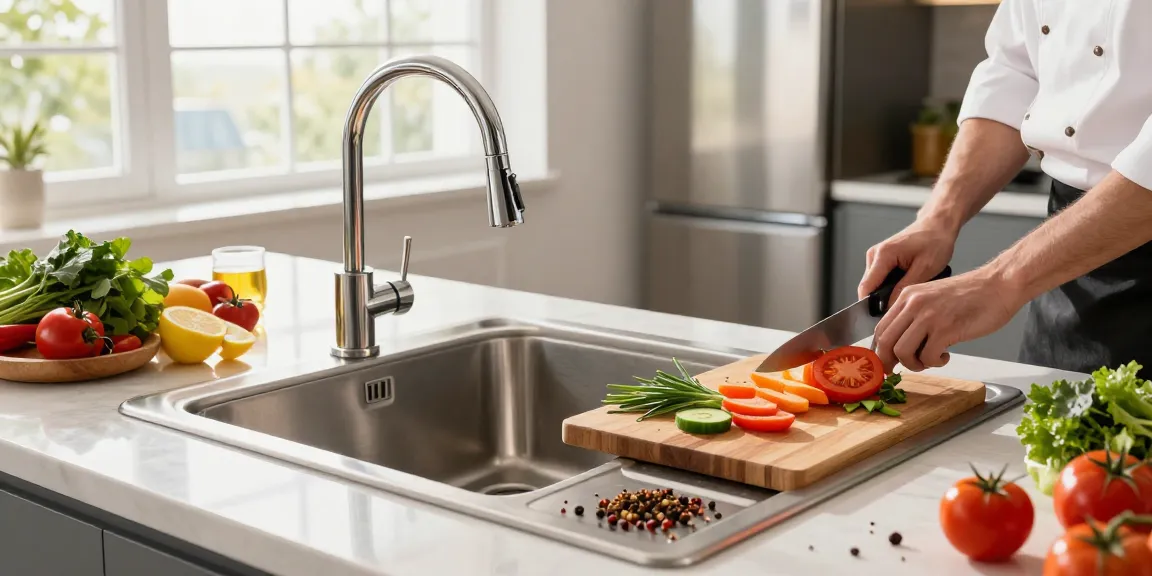
Understanding the Benefits of Kitchen Sinks in Stainless Steel
When considering a new kitchen sink, the choice of material can significantly influence both functionality and aesthetics. One of the leading options on the market is the kitchen sink in stainless steel, admired for its robustness and timeless appeal. This article explores the many benefits of stainless steel sinks, making a case for why they might be the ideal choice for your kitchen renovation.
Durability and Maintenance
Stainless steel is renowned for its exceptional durability. Unlike other materials, stainless steel sinks resist damage from heat, stains, and scratches, making them a perfect fit for bustling kitchens. They are crafted to withstand the rigors of daily use, whether you’re washing pots and pans or preparing food. Maintenance is straightforward; a quick wipe down after use helps maintain their shine and luster, ensuring they look new for years.
Stylistic Versatility for Any Kitchen
The aesthetic appeal of stainless steel sinks is another reason for their popularity. They seamlessly integrate into any kitchen design, from modern to traditional. Available in various finishes, including brushed, polished, or a combination, these sinks can complement countertops and cabinetry of any color or style, enhancing the overall look of the kitchen.
Cost-Effectiveness Over Time
While the initial investment in a stainless steel sink may be higher than other materials, the long-term savings are worth considering. Their durability means fewer replacements over time, and their resistance to stains and scratches minimizes the need for costly repairs. This makes stainless steel sinks a wise financial choice for both homeowners and contractors.
Choosing the Right Style for Your Kitchen Sink
With a variety of styles available, selecting the right sink can feel overwhelming. However, understanding the differences among styles and configurations can simplify your decision.
Undermount vs. Drop-in Sinks
When deciding between undermount and drop-in sinks, consider the countertop material and your kitchen’s design. Undermount sinks are installed below the countertop, offering a sleek and modern look, while drop-in sinks sit atop the counter and are easier to install. Each option has its advantages, with undermount offering a seamless appearance and drop-in providing straightforward installation.
Single Bowl vs. Double Bowl Configurations
The choice between a single and double bowl sink largely depends on your cooking habits. Single bowl sinks provide ample space for washing large pots, whereas double bowl sinks allow for multitasking—washing dishes in one bowl while food prep takes place in the other. Assess your kitchen workflow and choose accordingly.
Choosing the Right Size for Your Space
The dimensions of your sink should align with both your kitchen space and your personal needs. Consider your countertop size and the types of activities you will perform at the sink. A larger sink can be advantageous in busy kitchens, but ensure it fits well with your cabinetry and overall layout.
Installation Process: Step-by-Step Guide
Installing a stainless steel kitchen sink can be a rewarding DIY project, provided you have the right tools and follow some basic guidelines.
Preparing Your Countertop
Begin by measuring your countertop to ensure a proper fit for the new sink. Clear the area and, if necessary, create a cutout using a jigsaw based on the sink’s specifications. Ensure that the edges are smooth to prevent any damage during installation.
Connecting Plumbing and Fixtures
After securing the sink in place, connect the plumbing fixtures. This involves attaching the drain and water supply lines, which should be done carefully to avoid leaks. It’s often advisable to consult a plumbing professional if you’re unsure of the connections.
Sealing and Finishing Touches
Once the sink is installed, apply a sealant around the edge to prevent leaks. After the sealant has dried, check for any gaps or leaks and make adjustments as necessary. Finally, install the faucet and any additional accessories.
Care and Maintenance Tips for Stainless Steel Sinks
Maintaining your stainless steel sink is crucial for its longevity. Following a few simple practices can keep your sink looking its best.
Daily Cleaning Practices
A daily rinse with warm water and a soft cloth can prevent stains and keep your sink shiny. For a deeper clean, a mild dish soap and warm water solution can be used. Avoid abrasive cleaners that may scratch the surface.
Dealing with Stains and Scratches
In the event of stubborn stains, a mixture of baking soda and water can work wonders. Apply gently using a soft cloth, and rinse thoroughly. For minor scratches, a stainless steel polish can restore the sink’s finish.
Long-term Care for Longevity
To maintain the sink’s appearance, avoid leaving standing water or acidic substances (like citrus juices) for prolonged periods. Regularly use a soft cloth to dry the sink after use to minimize water spots and maintain its pristine condition.
Future Trends in Kitchen Sinks for 2026
As we look ahead to 2026, several trends are emerging in kitchen sink design and functionality that may influence your choice.
Emerging Designs and Materials
Innovative designs featuring integrated features—such as cutting boards or colanders—are gaining popularity. Further, the incorporation of materials like composite materials and ceramics alongside stainless steel is on the rise, providing both functionality and aesthetic appeal.
Smart Technology Integration
Smart sinks equipped with touchless faucets and built-in water purification systems are becoming more common, catering to a tech-savvy audience. These features enhance convenience and hygiene, making kitchen tasks more efficient.
Sustainability in Kitchen Fixtures
With the growing focus on sustainability, eco-friendly sinks made from recycled materials or designed for water conservation are becoming essential considerations for environmentally conscious homeowners.
What are the pros and cons of a stainless steel kitchen sink?
Pros include durability, ease of maintenance, and stylish versatility. However, potential cons may involve noise during use and scratching over time; these can be mitigated with proper care.
How do I maintain my stainless steel sink to prevent scratches?
To prevent scratches, use soft cloths for cleaning, avoid abrasive materials, and consider using sink mats or pads.
Are stainless steel sinks resistant to heat and stains?
Yes, stainless steel sinks are highly resistant to heat and staining, which makes them ideal for a busy kitchen environment.
What size sink is best for a small kitchen?
A single bowl sink around 24 to 30 inches is typically recommended for small kitchens, ensuring efficient use of space without compromising functionality.
Can I install a stainless steel sink myself?
Yes, with the right tools and instructions, many homeowners choose to install stainless steel sinks as a DIY project; however, professional installation is advisable for complex plumbing systems.