Understanding Colonial Home Construction
Colonial home construction represents a timeless style that has resonated through centuries. Rooted in history and characterized by distinct elegance, these homes blend traditional architectural elements with modern sensibilities. In this exploration of colonial home construction, we will delve into the historical significance, key characteristics, construction materials, and much more.
Historical Significance of Colonial Architecture
The origins of colonial architecture can be traced back to the European settlers who brought their stylistic preferences to America. From the 1600s to the 1800s, these structures were designed for functionality, often reflecting the construction techniques and resources available in various regions. Different colonies incorporated elements from their mother countries, resulting in variations known as Dutch, Spanish, French, and English Colonial styles.
Colonial architecture is not merely about structure; it encapsulates stories of cultural adaptation, social hierarchy, and regional identity. These homes have stood the test of time, serving as historical markers that tell the evolving tale of American society.
Key Characteristics of Colonial Homes
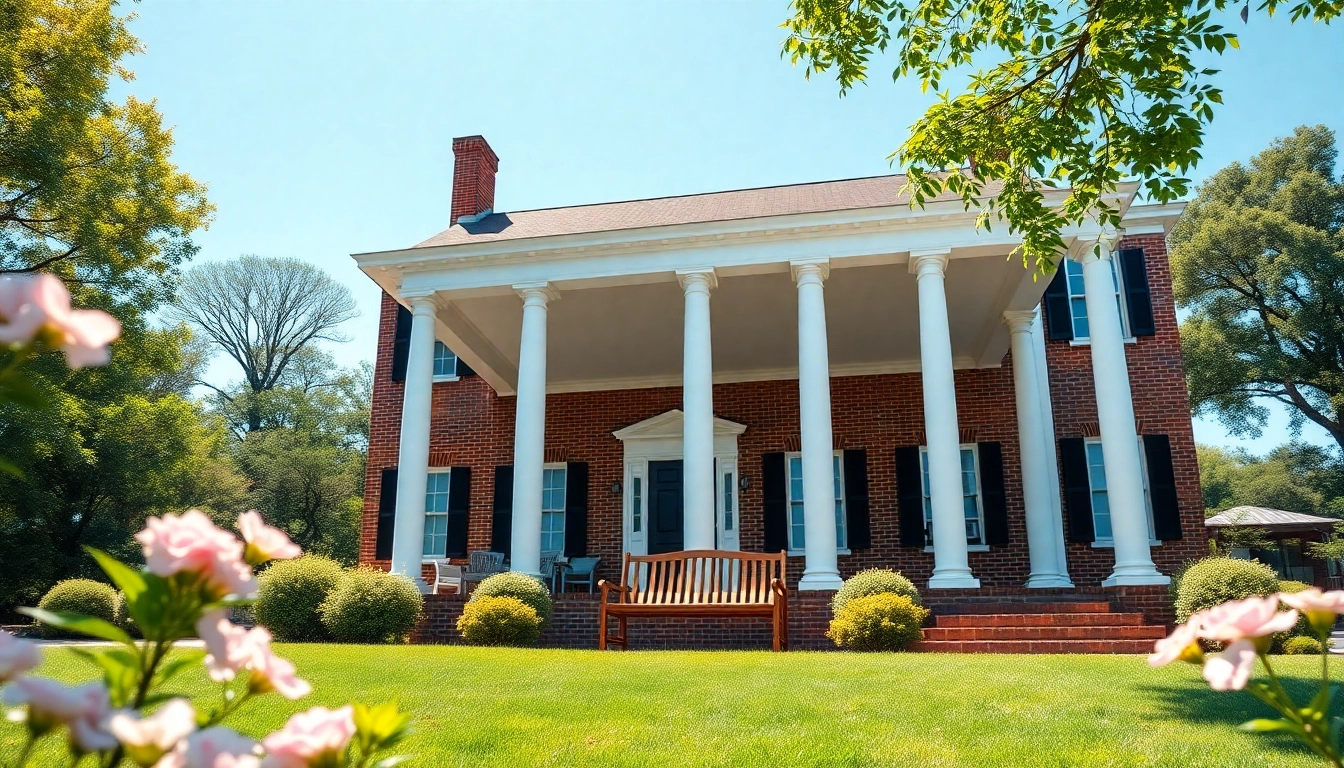
Colonial homes are often distinguished by their symmetrical facades, steep gabled roofs, and centered front doors. Common features include:
- Square or rectangular shapes: Traditional colonial homes have simple geometric shapes, creating a balanced appearance.
- Chimneys: Usually located at either end of the house, chimneys are integral to colonial architecture, often made of brick or stone.
- Multi-pane windows: Double-hung windows with multiple small panes add character and authenticity.
- Porches and porticos: Many colonial homes feature porches supported by columns, creating inviting entryways.
Understanding these characteristics helps in authentically recreating the colonial style and ensuring it meets modern demands.
Common Materials Used in Colonial Home Construction
The construction of colonial homes historically utilized locally sourced materials, leading to regional varieties in design and execution. Common materials include:
- Wood: Essential for framing, flooring, and finishes, wood provides warmth and aesthetic value.
- Brick: Frequently used for facades and chimneys, brick offers durability and a classic look.
- Stone: In some regions, stone was commonly used for foundations and walls, providing strength and insulation.
- Shingles: Roofs were typically covered with wooden or slate shingles, enhancing both function and style.
Choosing the right materials is key to preserving the historical integrity of colonial home construction while ensuring modern performance.
Planning Your Colonial Home Project
Planning is critical for a successful colonial home project. Each step requires careful consideration to ensure the final product meets both aesthetic and practical expectations.
Assessing Your Property and Design Needs
Begin by evaluating your property. Consider the space, orientation, and surrounding environment, as these factors will influence the design and functionality of your colonial home. Engage with local building codes and community standards to ensure your design is compliant.
Identify your specific needs—how many bedrooms, bathrooms, and living spaces you desire. Mix traditional colonial design elements with modern amenities to create a home that fits your lifestyle.
Budgeting for Colonial Home Construction
Establishing a budget is essential. Costs for colonial home construction can vary widely depending on location, material choices, and design complexity. A general estimate ranges from $150 to $300 per square foot. Factor in other costs such as site preparation, permits, and labor to avoid unexpected financial strain.
Investing in quality materials may raise initial costs but yield long-term benefits, including reduced maintenance and increased property value.
Obtaining Permits and Approvals
Before commencing construction, you must obtain various permits and approvals. This process varies by locality but typically includes:
- Zoning Approval: Ensure your property is zoned for residential use.
- Building Permits: Required for most construction projects; they ensure that your plans meet safety and building codes.
- Environmental Considerations: Check for any environmental impact assessments, especially if your site is near protected areas.
Thoroughly researching and following the necessary procedures streamlines the building process and mitigates legal issues.
Construction Techniques for Colonial Homes
Construction techniques must align with the colonial aesthetic while adhering to modern safety standards. Each aspect, from the foundation to the finishing touches, requires careful attention to detail.
Foundation and Framing Best Practices
Foundations for colonial homes are typically reinforced concrete or brick, providing stability. Ensure proper drainage to prevent water damage. In framing, traditional mortise-and-tenon joints are sometimes used, though contemporary framing techniques may offer practical advantages.
Consider using sustainably sourced wood to align with green building practices. Insulation should also be integrated into the framing to enhance energy efficiency.
Roofing and Siding Options for Durability
Choosing the right roofing and siding materials is crucial for ensuring a long-lasting and attractive colonial home. Traditional options include:
- Asphalt Shingles: Cost-effective and available in various styles, they mimic traditional materials while providing durability.
- Slate Tiles: While more expensive, slate offers exceptional longevity and enhances the colonial aesthetic.
- Wood Siding: Cedar or pine options provide classic appeal, requiring regular maintenance to prevent rot.
Consider the local climate when selecting roofing and siding materials to ensure performance and longevity.
Interior Layouts and Finishings
Inside the home, colonial design often emphasizes symmetry and flow. Common layouts include:
- Formal Living Rooms: Positioned at the front, they attract natural light and can serve as gathering spaces.
- Open Kitchens: Blending traditional design elements with modern functionality, open kitchens promote family interaction.
- Attics and Basements: Often left unfinished, these spaces are now being repurposed into additional living areas.
Selecting period-appropriate finishes such as crown molding, wainscoting, and hardwood floors can enhance the historical atmosphere within the home.
Sustainable Practices in Colonial Home Construction
Sustainability is no longer optional; it’s essential in contemporary home construction. Colonial homes can be built with eco-friendly practices in mind, making them both environmentally conscious and cost-effective.
Eco-friendly Materials and Techniques
Utilizing sustainable or reclaimed materials can reduce the environmental impact of your colonial home construction. Consider:
- Sustainable Wood: Certified woods from responsibly managed forests reduce deforestation impact.
- Recycled Building Materials: Salvaged materials add aesthetic value and minimize waste.
- Low-VOC Finishes: Using low-VOC paints and sealants can improve indoor air quality.
Professional consultation can help ensure that your choices align with both aesthetic ambitions and environmental responsibilities.
Energy Efficiency Solutions for Colonial Homes
Modern colonial homes can be designed with energy efficiency at the forefront. Incorporate:
- Efficient Insulation: High-quality insulation materials, such as spray foam or cellulose, can significantly reduce heating and cooling costs.
- Energy Star Appliances: Investing in energy-efficient appliances lowers consumption and utility expenses.
- Alternative Energy Sources: Consider solar panels or geothermal systems to enhance sustainability further.
Home energy audits can identify areas for improvement, helping you maximize your home’s efficiency.
Long-term Maintenance Considerations
Maintaining a colonial home requires consistent effort. Key maintenance tips include:
- Regular inspections of the roof, gutters, and foundations to prevent severe issues.
- Repainting or restoring wooden surfaces every few years to combat rot and insect infestation.
- Seasonal checks on windows and doors for air leaks and weatherization needs.
These practices not only protect your investment but also preserve the charm and character of your colonial home.
FAQs about Colonial Home Construction
What are the costs involved in colonial home construction?
Costs vary based on location, size, and choices. Estimate between $150 to $300 per square foot, including materials and labor.
How long does colonial home construction take?
Construction timelines can range from several months to over a year, depending on complexity and resources available.
Are colonial homes energy efficient?
Yes, modern colonial homes incorporate insulation and energy-efficient appliances, enhancing sustainability.
What are the best materials for colonial construction?
Traditional materials include brick, wood, and stone, each chosen for durability and aesthetic appeal.
Can I modify the colonial design for modern needs?
Absolutely! Many blend traditional elements with modern layouts to meet contemporary lifestyles.