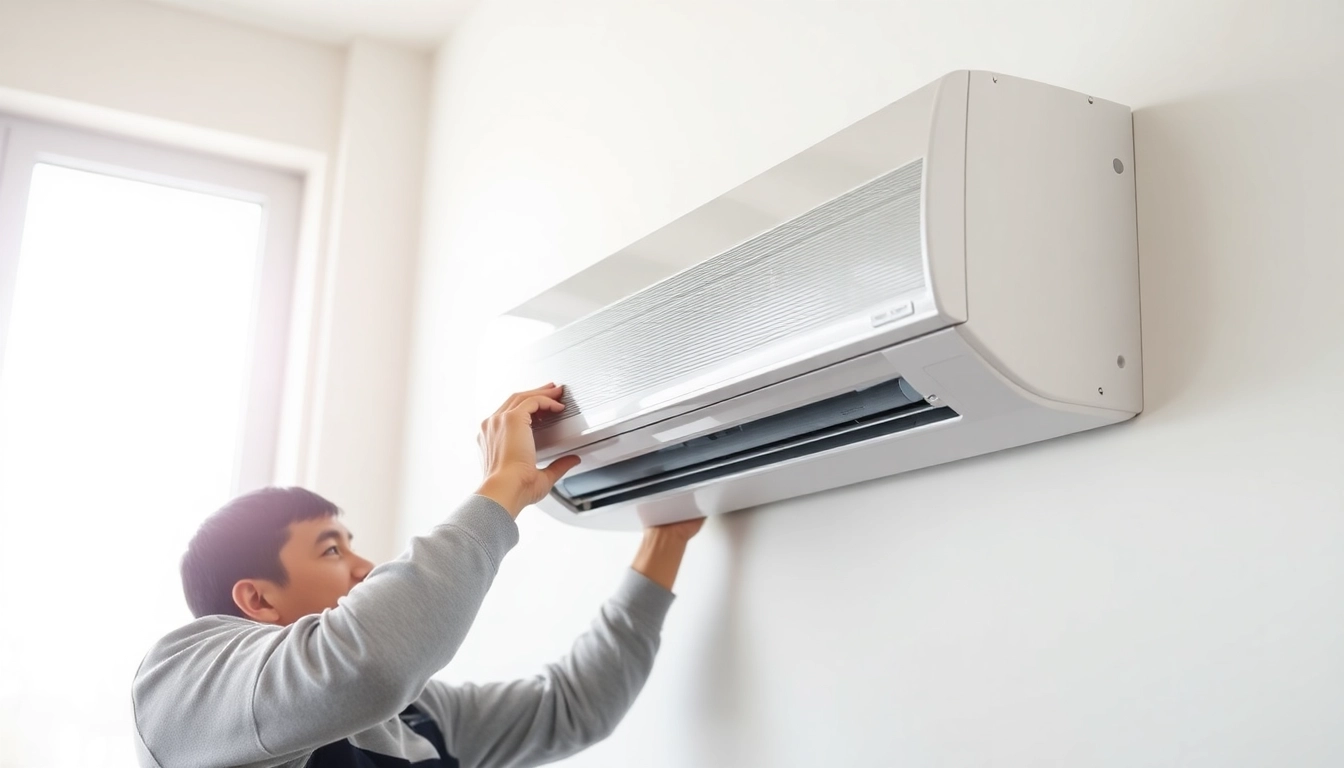
Understanding the Basics of Mitsubishi Mini Split AC
What is a Mini Split AC System?
A mini split AC system is a versatile cooling solution that provides effective temperature control without the need for ductwork. It consists of two main components: an indoor unit and an outdoor condenser unit. The indoor unit is usually mounted on a wall or ceiling and is responsible for distributing cool air into a room, while the outdoor unit contains the compressor and condenser coils. This system is especially popular in multi-room homes, apartments, and spaces where duct installation is not feasible. One notable option within this category is the mitsubishi mini split ac, renowned for its efficiency and reliability.
Key Components of the Mitsubishi Mini Split AC
The Mitsubishi mini split AC system comprises several key components that work together to provide optimal cooling. These include:
- Indoor Unit: Responsible for blowing cool air into the living space, it features an evaporator coil and air filters to ensure clean air circulation.
- Outdoor Unit: It contains the compressor, condenser, and fan, which work to expel heat from the refrigerant and cycle it back to the indoor unit.
- Refrigerant Lines: These insulated pipes connect the indoor and outdoor units, carrying refrigerant that absorbs and releases heat.
- Remote Control: Most Mitsubishi mini split AC systems come with a remote for convenient temperature adjustments and settings management.
- Drip Tray and Drain Line: These components manage condensation by directing excess moisture away from the indoor unit.
How Mitsubishi Mini Split AC Works
The operation of a Mitsubishi mini split AC system is based on the principles of thermodynamics. The internal evaporator unit absorbs heat from the indoor air, cooling it down. The refrigerant flowing through the system is responsible for this heat exchange. Here’s a step-by-step breakdown of the process:
- The indoor unit extracts warm air from the room and passes it over the evaporator coil that contains refrigerant.
- The refrigerant vaporizes, absorbing heat from the air, which lowers the temperature inside the room.
- The vaporized refrigerant travels to the outdoor unit, where the compressor increases its pressure.
- The now high-pressure gas releases heat as it passes through the condenser coil, condensing back into a liquid.
- This liquid refrigerant then returns to the indoor unit to repeat the cycle.
Benefits of Choosing Mitsubishi Mini Split AC
Energy Efficiency and Cost Savings
One of the most significant advantages of the Mitsubishi mini split AC is its energy efficiency. These systems often come with SEER (Seasonal Energy Efficiency Ratio) ratings of 15 or above, which is considerably higher than conventional HVAC systems. This superior efficiency translates into lower energy bills. For homeowners, the initial investment can be offset by savings over time, especially in climates with extreme temperatures.
Quiet Operation for Peaceful Living
The Mitsubishi mini split AC operates at remarkably low noise levels, often around 19 dB. This makes it an ideal choice for peace-loving homeowners and spaces like bedrooms and libraries. Unlike traditional systems that may disturb tranquility, these units allow for comfortable living and working conditions without the hum of a noisy compressor.
Flexible Installation Options
With no ductwork required, Mitsubishi mini split AC systems offer flexible installation options that can be adapted to various spaces. Installers can mount the indoor unit on walls, ceilings, or even recessed spaces to seamlessly blend with the decor. This versatility makes the mini split a popular choice for home renovations or new builds alike.
Evaluating Your Space for Mitsubishi Mini Split AC Installation
Calculating the Required BTUs
Understanding how to calculate the required BTUs (British Thermal Units) is essential for selecting the correct size of the Mitsubishi mini split AC unit. The size of the unit impacts its efficiency and ability to maintain desired temperatures. Factors influencing the BTU calculation include:
- Room Size: Measure the room’s dimensions to find the total square footage.
- Ceiling Height: Floors with higher ceilings may require additional BTUs.
- Insulation Quality: Well-insulated rooms may require fewer BTUs.
- Sunlight Exposure: Rooms that receive a lot of sunlight may need a higher BTU rating to combat heat gain.
Identifying Optimal Placement
Placement of the indoor unit is crucial for maximizing efficiency and comfort. Here are tips for optimal placement:
- Install the unit high on the wall for better air distribution.
- Avoid locations block by furniture or other obstructions to ensure maximum airflow.
- Consider heat sources, such as appliances and electronics, when choosing a spot.
Understanding Ceiling Height and Insulation
The ceiling height and insulation quality play a vital role in the effectiveness of the Mitsubishi mini split AC. Higher ceilings can necessitate a more robust unit to maintain comfort. Proper insulation is equally essential, as it reduces the load on the AC and helps maintain consistent temperatures. When evaluating your space, check for any drafts or areas needing insulation improvement to boost performance.
Installation Process for Mitsubishi Mini Split AC
Tools and Equipment Needed
Installing a Mitsubishi mini split AC requires specific tools and equipment, including:
- Drill with appropriate bits
- Level to ensure proper alignment
- Pipe cutter for refrigerant lines
- Vacuum pump for removing air from refrigerant lines
- Manifold gauge set for refrigerant handling
Step-by-Step Installation Guide
The installation of a Mitsubishi mini split AC unit can be accomplished in a few steps:
- Choose and prepare the installation site for both indoor and outdoor units.
- Mount the indoor unit securely on the wall, ensuring it is level.
- Run the refrigerant, power, and drainage lines through the wall for connection to the outdoor unit.
- Set the outdoor unit on a stable base, away from direct sunlight, if possible.
- Connect the refrigerant lines and perform a leak test.
- Power on the system and check for proper functionality.
Common Installation Pitfalls to Avoid
Installing a Mitsubishi mini split AC system requires care to avoid common mistakes. These include:
- Neglecting to perform a leak test can lead to refrigerant loss and system inefficiency.
- Not securing electrical connections may result in malfunctions.
- Improper placement can hinder air circulation and cooling effectiveness.
Maintaining Your Mitsubishi Mini Split AC for Longevity
Regular Cleaning and Maintenance Tips
To ensure your Mitsubishi mini split AC operates efficiently and lasts as long as possible, implement a regular maintenance schedule. Here are some essential tips:
- Clean or replace air filters at least once every month.
- Inspect and clean the indoor and outdoor coils to ensure optimal heat exchange.
- Check drain lines for blockages and ensure proper drainage.
Signs Your Mitsubishi Mini Split AC Needs Repair
Being aware of signs that your Mitsubishi mini split AC requires repair can save you from costly breakdowns. Common issues include:
- Inconsistent cooling across different rooms.
- Loud noises or unusual sounds from the system.
- Increased energy bills without any change in usage patterns.
When to Call a Professional Technician
While regular maintenance is critical, some issues may require professional assessment. Consider calling a technician if:
- You encounter refrigerant leaks.
- There are electrical problems or persistent error codes.
- The system fails to turn on or respond to controls.
Frequently Asked Questions
What size Mitsubishi mini split AC do I need?
To determine the appropriate size, calculate the required BTUs based on room size, ceiling height, insulation, and sunlight exposure.
How often should I clean my Mitsubishi mini split AC?
It’s recommended to clean or replace the air filter every month and check the coils regularly to maintain efficiency.
Can I install a Mitsubishi mini split AC myself?
While DIY installation is possible, hiring a professional ensures proper setup and adherence to local codes and safety standards.
How long do Mitsubishi mini split AC systems last?
With proper care and maintenance, a Mitsubishi mini split AC can last between 15 to 20 years, depending on usage and conditions.
Are Mitsubishi mini split AC systems noisy?
Mitsubishi mini split AC systems operate quietly, typically around 19 dB, making them suitable for bedrooms and quiet environments.