Introduction to LVT Flooring
As homeowners seek flooring solutions that marry beauty and functionality, lvt flooring has emerged as a favored choice. Luxury Vinyl Tile (LVT) flooring not only mimics the appearance of natural materials like wood and stone but also promises durability and ease of maintenance. This article dives into the multifaceted world of LVT flooring, exploring its definition, benefits, styles, installation processes, and much more.
What is LVT Flooring?
LVT, or Luxury Vinyl Tile, is a type of flooring created from synthetic materials, primarily polyvinyl chloride (PVC). It undergoes a meticulous manufacturing process that allows it to replicate the aesthetics of natural flooring materials, offering a highly sought-after design without the associated high cost or maintenance concerns. LVT is available in various formats—tiles and planks—allowing for diverse installation options, from intricate patterns to straightforward layouts.
Benefits of LVT Flooring
The appeal of LVT flooring lies in its numerous advantages:
- Durability: LVT is designed to withstand heavy foot traffic, making it an ideal choice for both residential and commercial spaces.
- Water Resistance: Many LVT options boast water-resistant or even waterproof properties, making it suitable for areas prone to moisture, such as kitchens and bathrooms.
- Ease of Maintenance: Unlike natural wood or stone, LVT requires minimal upkeep. Regular sweeping and occasional mopping suffice to keep it looking new.
- Aesthetic Versatility: LVT is available in a plethora of designs, colors, and textures, ensuring that there is an option to fit any decor style.
- Comfort Underfoot: Unlike harder flooring materials, LVT conveys a softer feel, often incorporating foam backing, which enhances comfort, especially for standing for extended periods.
Different Styles of LVT Flooring
The versatility of LVT flooring translates into a wide range of styles. Here are a few popular choices:
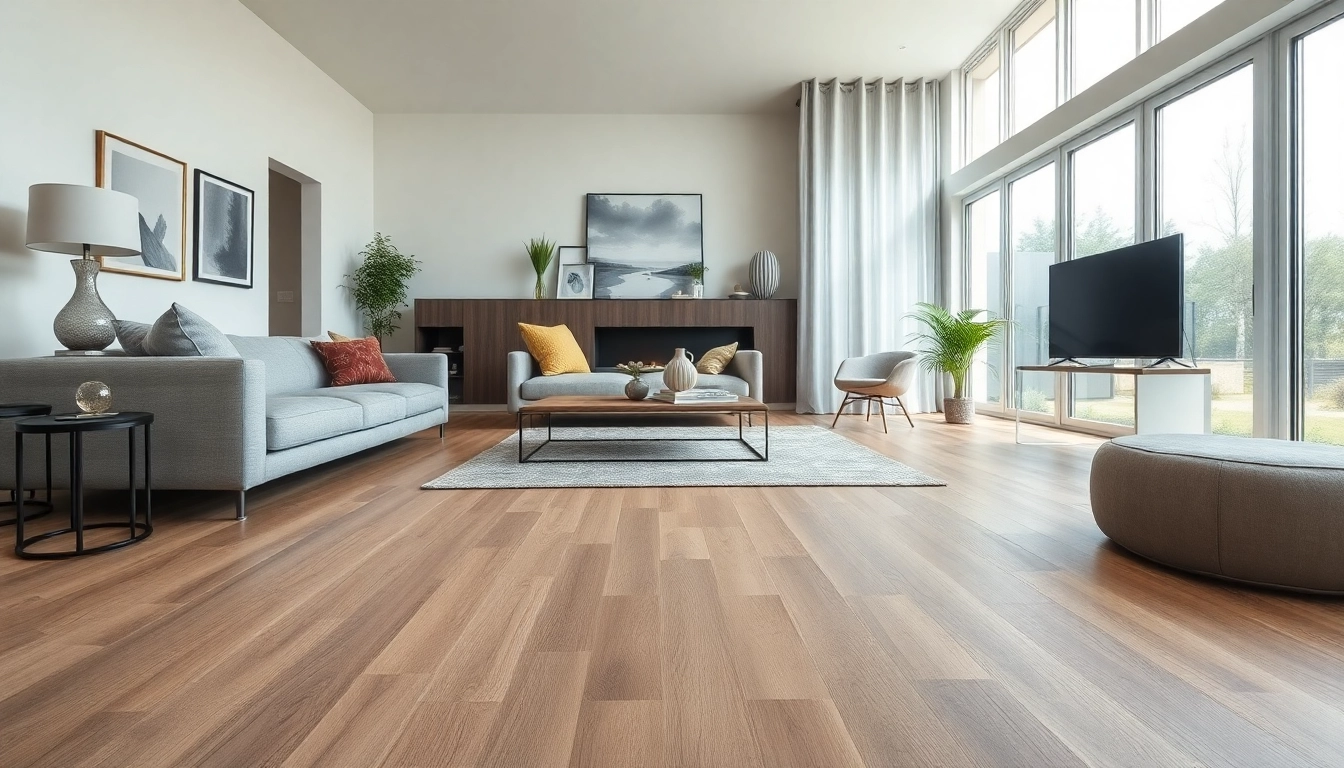
- Wood-Look LVT: Mimicking the appearance of hardwood, this style offers various finishes and shades to suit any interior.
- Stone-Look LVT: Designed to replicate natural stone, these tiles provide the elegance of slate or marble without the heavyweight or maintenance challenges.
- Patterned LVT: Featuring dynamic designs and colors, patterned LVT can add unique accents to any room.
- Textured LVT: This style introduces tactile surfaces that enhance realism and visual appeal.
Choosing the Right LVT Flooring for Your Space
Selecting the ideal lvt flooring involves several considerations, ensuring the choice meets both aesthetic and practical needs.
Assessing Your Needs
Start by evaluating the specific requirements of your space. Consider factors such as foot traffic, potential exposure to moisture, and the overall style of the room. For high-traffic areas or households with pets, opting for thicker, more resilient LVT can provide extra durability. Additionally, think about how much comfort you desire underfoot, especially in areas like kitchens and living rooms.
Color and Texture Options
Color and texture play significant roles in the overall ambiance of a space. LVT flooring comes in a wide array of colors—from light beiges and browns that evoke a sense of warmth to dark, dramatic hues. The texture can mimic natural materials, such as wood grain or stone textures, adding depth and interest. When selecting color, consider the size and lighting of the room; lighter shades can create an illusion of space, while darker tones can add a cozy atmosphere.
Comparing LVT to Other Flooring Types
When considering flooring options, it’s crucial to compare LVT with other types such as hardwood, laminate, and tile. Compared to hardwood, LVT offers superior moisture resistance at a lower price point, while laminate might not provide the same level of durability. In relation to traditional tiles, LVT is generally easier to install and warmer underfoot. Evaluating these aspects can help clarify the best choice for your particular space.
Installation Process of LVT Flooring
Preparation Steps
- Subfloor Assessment: Inspect the existing subfloor for any damage or moisture issues. A dry, level surface is essential for a successful installation.
- Cleaning: Thoroughly clean the floor to remove dust, dirt, or debris that could compromise adhesion.
- Acclimation: Allow the LVT planks or tiles to acclimate to the room’s temperature and humidity for at least 48 hours before installation.
DIY vs Professional Installation
While some homeowners may choose to install LVT flooring themselves, others may prefer hiring professionals. DIY can save costs but requires a certain level of skill in flooring installation. On the other hand, professional installers can ensure precision and efficiency, saving you time and effort. Carefully weigh your confidence and capability against the installation complexity before deciding.
Essential Tools and Materials
Regardless of your choice, certain tools and materials are necessary for successful LVT installation. Essential tools include:
- Utility knife for cutting tiles/planks
- Measuring tape for accurate sizing
- Straight edge or square for precision cuts
- Floor roller for ensuring adhesion
Additionally, specific adhesives or underlayment may be needed based on the product type. Always refer to the manufacturer’s guidelines for a successful installation.
Maintenance Tips for LVT Flooring
Daily Care Practices
Long-Term Maintenance Strategies
Common Issues and Solutions
- Scratches: Minor scratches can be buffed out using a soft cloth and polish, while deeper scratches may require replacement of the affected tile.
- Peaking Tiles: If tiles lift at the seams, re-adhere the tile by applying pressure and using a roller.
- Staining: Promptly clean spills and avoid harsh chemicals that could discolor the LVT.
FAQs About LVT Flooring
Is LVT flooring waterproof?
Most LVT flooring is water-resistant, with many products being fully waterproof, making them suitable for bathrooms and kitchens.
How do I clean LVT flooring?
Regular sweeping and occasional damp mopping with a gentle cleaner designed for LVT will maintain its appearance and integrity.
Can LVT flooring be installed over existing floors?
Yes, LVT can typically be installed over existing floors like tile or vinyl, provided they are level and in good condition.
What is the lifespan of LVT flooring?
With proper care, LVT flooring can last up to 20 years or more, depending on its quality and the amount of foot traffic.
Is LVT flooring suitable for pets?
LVT is an excellent choice for pet owners due to its durability and scratch resistance, making it easier to maintain.